
Blog, Featured Posts, In the News
Connecting Generations Through Storytelling in Illinois

Clay County, Illinois is considered a resource desert. For local youth, this means higher poverty rates, limited services and fewer opportunities. After-school program Beyond the Bell provides a safe, supportive space for these young people to learn, connect and grow.
Beyond the Bell equips youth to make positive changes in their community by incorporating Narrative 4 Story Exchanges into their weekly programming. One of their programs, “Adopt-a-Grandparent,” creates links between students and older people in Clay County.
This year, Beyond the Bell was named a Program of Distinction by Generations United – a highly selective annual recognition of intergenerational programs doing outstanding work.
In the interview below, Teen REACH Program Coordinator Kat Holstlaw shares how Beyond the Bell gives young people in Clay County the tools and support they need to feel confident, grounded and understood.

Hi Kat, thanks for joining us. Can you please give us an overview of Beyond the Bell?
Beyond the Bell is an out-of-school time program funded by the Illinois Department of Human Services Teen REACH grant. It provides a safe, supportive space for youth to learn, connect and grow. Teen REACH focuses on serving youth ages 6–17 through academic support, life skills, social-emotional development, community service and creating a safe environment that helps them succeed and avoid risky behaviors.
Who are the students you’re working with and what are their lives like outside the program?
We primarily serve middle and high school youth, many of whom face barriers like limited resources, family responsibilities and a lack of access to enrichment opportunities.
Living in a rural community like Clay County, Illinois, often considered a resource desert, our youth experience higher poverty rates, limited transportation, fewer youth-focused services and fewer opportunities for career exploration or extracurricular involvement.
Outside of the program, many are navigating real-life challenges while also trying to figure out who they are and what their future can look like.
What drew you personally to Narrative 4’s approach?
Narrative 4’s focus on storytelling and compassion really stood out to me. It creates space for young people to share their experiences and truly listen to others, which builds connection and understanding in a way that feels authentic and powerful.
I wanted to create that same sense of community within our Teen REACH program. Our youth come from all kinds of backgrounds and family dynamics and bringing them together wasn’t easy at first. I needed them to connect, hear each other’s stories and understand that it’s okay to be different or have different opinions without being disrespectful.
Many of our youth don’t always have that sense of belonging elsewhere: they’re not athletes, may not excel in academics and don’t always fit into traditional enrichment spaces. Creating a place where they feel seen, heard and valued was incredibly important to me.

What need were you seeing in young people before this program started?
There was a clear need for connection and a space where youth could safely express themselves. Many were missing opportunities to build relationships, process their experiences and feel heard, this program helps fill that gap.
We’ve also been able to adapt it to fit the needs of our community, including projects like having youth “adopt” grandparents, where they build relationships and share stories across generations, creating meaningful connections for everyone involved.
What changes have you seen in the students since they began participating in Narrative 4 programs?
We’ve seen students become more open, more confident and more willing to listen to each other. There’s been a noticeable shift: students are slowing down, really hearing one another and building stronger connections.
We’re also seeing growth in how they express themselves and handle conflict in a more thoughtful, respectful way.

Impact Stories from Beyond the Bell
We asked Kat to describe the impact of Narrative 4 on her students. Here’s what she shared:
One student came in pretty quiet and kept to themselves most days. During a Narrative 4 Story Exchange, they shared a small part of their story, and for the first time, other students really leaned in and listened.
When it was time to retell each other’s stories, something shifted: they realized their voice mattered. Over the next few weeks, that student started opening up more, joining conversations and even encouraging others to share. It wasn’t overnight, but it was real. They went from sitting on the outside to feeling like they truly belonged.

Another young person came in with her hoodie pulled down over her face and headphones in, completely closed off. She didn’t engage much and kept her distance from both staff and peers.
When we introduced Narrative 4, we used the Art Exchange lesson, which gave her a way to participate without immediately having to speak. Slowly, we saw changes: the hoodie came off, the headphones came out and she began connecting with the program, staff and other youth.
She discovered a love for art, which became her way of expressing herself and building confidence. She went on to graduate high school and eventually joined the service. Watching her go from completely withdrawn to finding her path and purpose is something that really stays with you.

How has the program affected relationships—between peers or across generations?
We’ve seen a real shift in how young people connect with each other, there’s more respect, more understanding and a stronger sense of community. Students are listening differently and showing up for one another in ways we haven’t seen before.
Across generations, especially through Adopt-a-Grandparent, the impact has been powerful. I remember early in my Teen REACH career, someone said, “Nobody snaps beans with grandmas anymore.” That stuck with me.
I grew up with my grandmother next door, spending time learning traditions and life skills alongside her. I wanted that connection for our youth, and for our elderly too.
Now, we’re seeing those relationships form in real ways. Youth are building relationship-building skills and valuing different life experiences, while older adults feel seen, heard and connected. These relationships feel genuine, not surface-level.
Have you noticed changes in behavior, confidence or conflict resolution skills?
Yes, across the board. We’ve seen students grow in confidence, especially in how they express themselves and share their experiences. Youth who were once quiet are speaking up, and those who struggled to connect are building stronger relationships.
Behavior-wise, there’s been a shift toward more respect and accountability. Instead of reacting quickly or shutting down, students are taking time to listen and understand.
In terms of conflict resolution, they’re using their words more, approaching situations with compassion and working through challenges in a more thoughtful way. It’s not perfect, but the growth is real and noticeable.
Can you give an overview of Adopt-a-Grandparent?
Adopt-a-Grandparent connects youth with older adults in the community to build meaningful, ongoing relationships. It centers around shared experiences, conversation, storytelling and simple activities that help bridge generations.
For students, it’s an opportunity to slow down, listen and connect with someone who has a different life story. For older adults, it brings joy, companionship and a renewed sense of purpose. You can see the impact in small moments, laughing together, sharing stories, or simply sitting side by side.
What surprised me most was how quickly youth leaned in. While you might expect hesitation, many embraced the experience, asked thoughtful questions and formed genuine bonds. It showed me that young people are craving connection, they just need the opportunity.
Why is this kind of program important right now for young people?
Now more than ever, young people need connection, belonging and a space where they feel heard. Many are navigating stress, isolation and uncertainty without consistent opportunities to process what they’re experiencing.
We also saw many youth lose critical communication skills during COVID. Disconnection from peers impacted how they express themselves, build relationships and handle conflict.
Programs like this help rebuild those skills. They create space for youth to practice communication, build empathy and form real relationships, with peers and across generations. It’s not just about activities; it’s about giving young people the tools and support they need to feel confident, connected and grounded.

How does this work go “Beyond the Bell” for students?
This work goes beyond the bell because it doesn’t stop when the program ends. The skills youth build, communication, empathy, confidence and relationship-building, carry into their everyday lives.
We see it in how they interact at school, handle challenges at home and engage in their communities. They’re not just participating in a program, they’re developing tools that shape how they navigate the world.
What’s next for the program?
We’re focused on growing what’s working, expanding opportunities like Narrative 4 and Adopt-a-Grandparent while continuing to create spaces where youth feel connected, heard and supported.
We also want to deepen our impact by building more leadership opportunities for youth, strengthening community partnerships and finding new ways to integrate Teen REACH core service areas with social-emotional learning.
The goal is to keep evolving while staying grounded in what matters most, making sure every young person feels like they belong and has the tools to succeed.
What would you say to other schools or organizations considering this work?
Do it and lean into it fully. This kind of work takes intention, but the impact is worth it. Creating space for youth to be heard, build compassion and form real connections can change the entire culture of a program.
Start small if needed, but stay consistent. The relationships and trust you build over time are what make the biggest difference.
And don’t underestimate young people, they’re ready for this. When you give them the space and the tools, they will rise to it in ways that will surprise you.
Find out more about how you can bring Narrative 4 to your community here.
Do you have a Narrative 4 story to share? Get in touch with us here.
Related Blog Posts
-

Narrative 4 Brings the Power of Story to the University of Michigan
Blog • September 25, 2026Narrative 4 joins the University of Michigan for The Stories We Carry, featuring Colum McCann and a Community Story Exchange in Ann Arbor.
-

A New School Year
Blog • September 3, 2026A new school year is a chance to build connection from day one. In this post, we explore how Narrative 4 uses the power of storytelling and deep listening to help K–12 schools create a culture where students feel connected, heard and valued.
-
Boosting Confidence in Teenage Girls
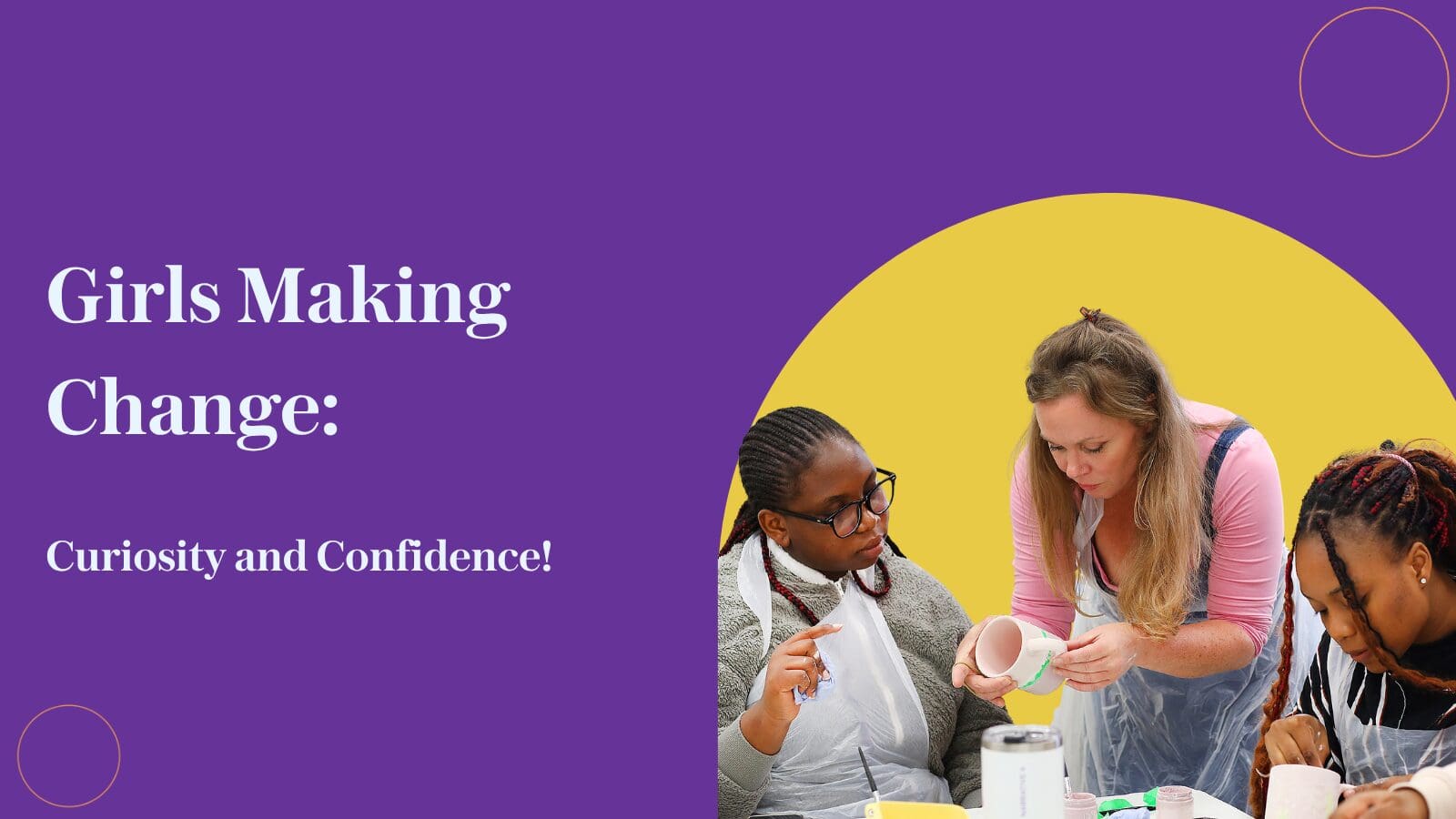
Blog • August 26, 2026Narrative 4 delivered a summer program ‘Connect 4’ to equip young teenage girls to make positive changes in their community through the power of stories and art.